Published September 2025 by Bighorn Books/ University of Calgary Press
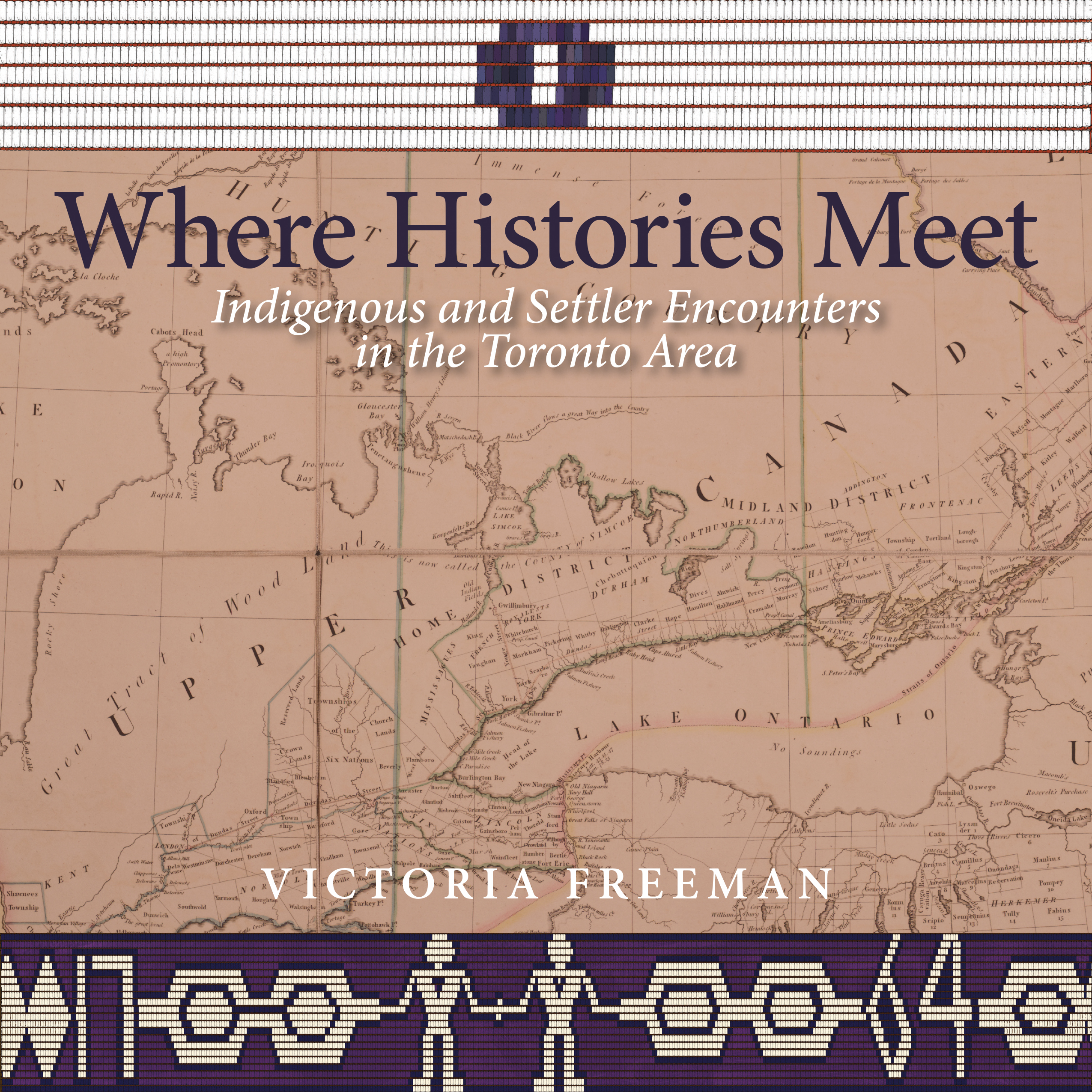
Where Histories Meet traces the histories of the Toronto region’s Indigenous peoples and their relations with settlers, focusing on the period from the colonial treaties of the 1780s to the Indian Act of 1876. Created in consultation with five local First Nations, this groundbreaking study brings archival records, oral memory, and the voices of Indigenous Elders and knowledge keepers into respectful dialogue to understand the colonial dynamics that still structure Indigenous-Canadian relationships today.
Where Histories Meet was created in consultation with the Mississaugas of the Credit, Chippewas of Rama, Six Nations of the Grand River, Chippewas of Georgina Island, and Mississaugas of Scugog Island First Nations.
This is not history but “ourstory”, the truth of who we are as First Nation people and the deep connection our ancestors have had with the land since time immemorial. Indigenous voices are weaved throughout this narrative, sharing the resilience and strength of our communities and leaders as they confronted the beast of colonization.
—Lauri Hoeg, Anishinaabe Kwe, Chippewas of Georgina Island
Expansive, detailed, and clear, Where Histories Meet is a multi-vocal, intergenerational weave of Anishinaabe and Haudenosaunee history that re-places Indigenous peoples back in their own lands.
—John Borrows, Loveland Chair in Indigenous Law, University of Toronto
One marvels how the First Nations of the Toronto region navigated the bewildering array of challenges that confronted them with the advent of “civilization.” Victoria Freeman in Where Histories Meet offers an empathic, yet even-handed narrative of the evolving landscape of First Nation settler relationships prior to the legislation known as the Indian Act in 1876.
—Datin Wybenga, Knowledge Keeper, Mississaugas of the Credit First Nation
Where Histories Meet is a vital resource for public historians, educators, and heritage professionals committed to braiding Indigenous and settler narratives. More than documentation, it’s a living guide for deeper conversations and transformative practice. Future educators will find in it a foundation for reshaping how we engage in history from the past to present where meaningful change begins.
—Allison White, Curator, The Village at Black Creek
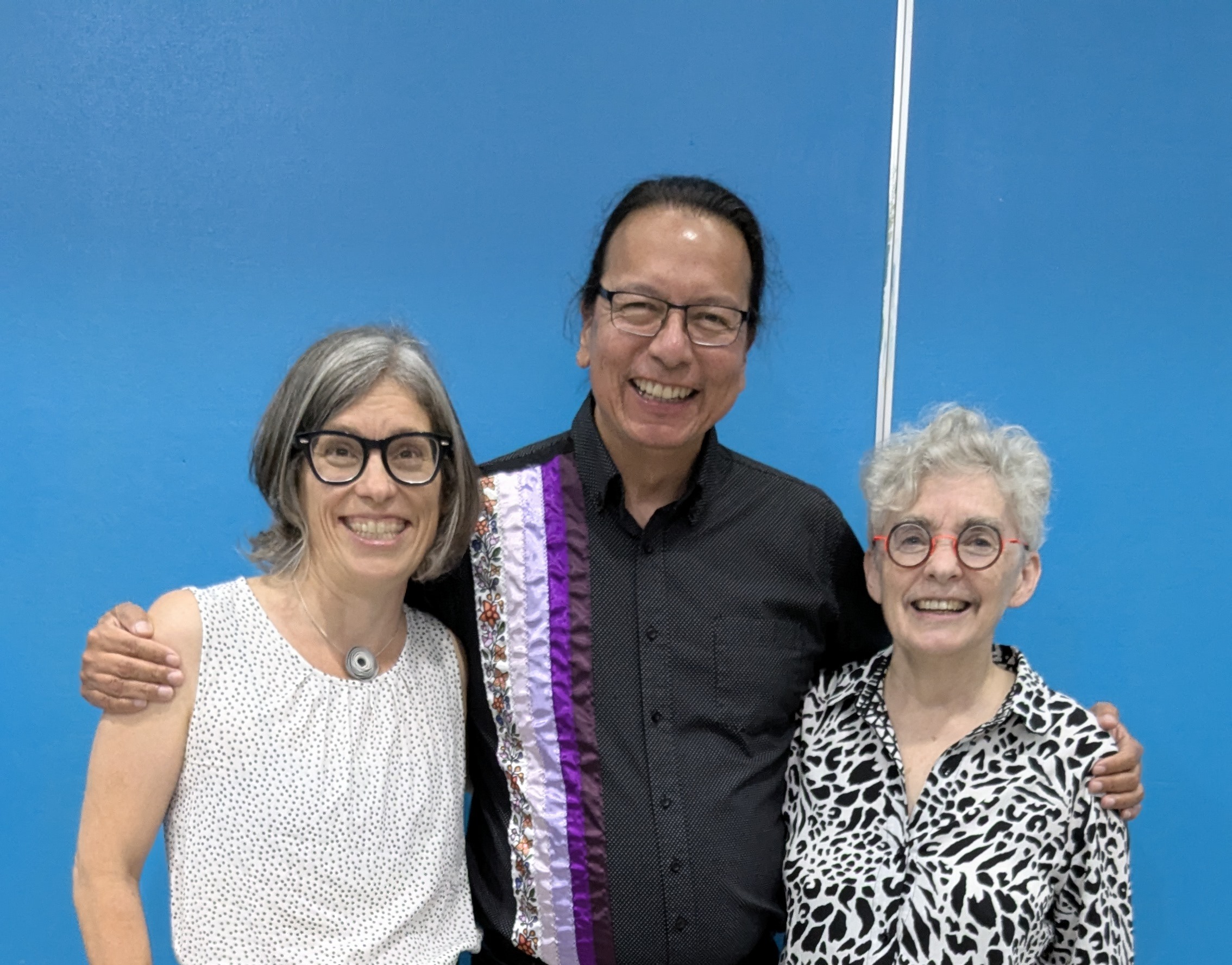
 Victoria Freeman